Invisible barriers: teaching the state and business to be clear for all

Imagine you opened a menu, but it was written in invisible ink. Or you visited a CNAP website but couldn't understand a single word due to complex terminology. Every day, invisible "information barriers" isolate millions of Ukrainians.
Complex texts on websites, confusing instructions, unreadable presentations, missing image descriptions, outdated contacts and chaotically presented information — all of this complicates life for people who simply want to receive a service, find the information they need, or use a platform.
For some, this is an inconvenience.
For others — a real reason to miss out on a benefit, fail to find the right institution, not understand an important message, or have no access to content at all.
That is why we want to create a social educational series about information accessibility.
We don't want to deliver boring multi-hour lectures. We are creating a dynamic, vibrant and professional educational video (Episode 2 of the series "5 Steps to Accessibility").
Our hosts will examine real-life situations and provide clear instructions for content creators.
What the project is about
We will explain in plain language:
- why complex language on websites and in announcements creates barriers;
- how to write texts so that everyone understands them;
- what alternative text for images is and why it matters;
- how a screen reader works for visually impaired people;
- what readable and accessible design looks like;
- why it is important to properly format websites, articles, presentations and posts;
- why up-to-date contacts, logical structure and information gathered in one place are also part of accessibility.
Why this matters
Information accessibility is not only about people with disabilities.
It is about all of us.
It matters for:
- people with visual impairments;
- elderly people;
- people with dyslexia;
- people who have difficulty concentrating;
- people under stress;
- internally displaced persons looking for new services in a new city;
- parents with children;
- young people;
- and simply anyone who wants to quickly and without unnecessary obstacles access clear information.
If a person cannot understand a text, read a website, or find what they need — then they have no access to information.
Who we are creating this series for
This series will be especially useful for:
- officials and employees of government institutions;
- website administrators;
- representatives of CNAPs and municipal institutions;
- SMM specialists;
- entrepreneurs;
- businesses that sell goods or services online;
- educational institutions;
- civil society organizations;
- youth spaces;
- everyone who creates texts, presentations, announcements, websites or public information.
Why we are asking for support
Creating a quality social series requires resources:
- script development;
- filming organisation;
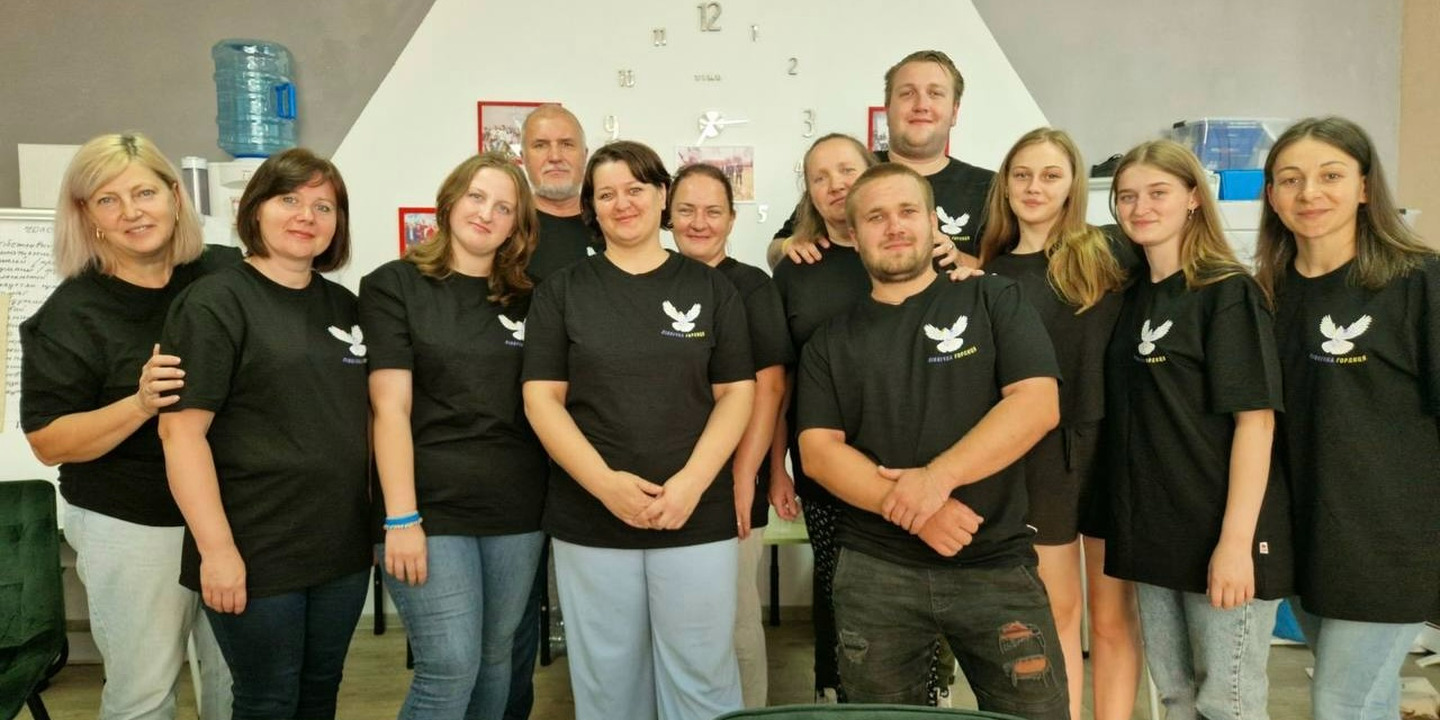
- team work;
- editing;
- graphics;
- voiceover;
- adapting materials for distribution;
- promotion of the series so that it actually reaches its target audience.
We want to create not a formal "checkbox" video, but a truly powerful, modern and useful product that will drive real change.
Why this project is needed right now
Ukraine is moving towards accessibility.
More and more services are moving online.
More and more people are searching for help, services, education, work, communities and opportunities through the internet.
And that is precisely why access to information is becoming critically important.
Support us!
Accessibility does not begin only with a physical ramp. It also begins with a word. Your 100, 200 or 500 hryvnias are a contribution towards making the Ukrainian internet a place where no one gets lost, feels unwanted, or gives up. Let's make information accessible to everyone. Click "Support"