Restoration of harmonium from Bleshchunov private museum

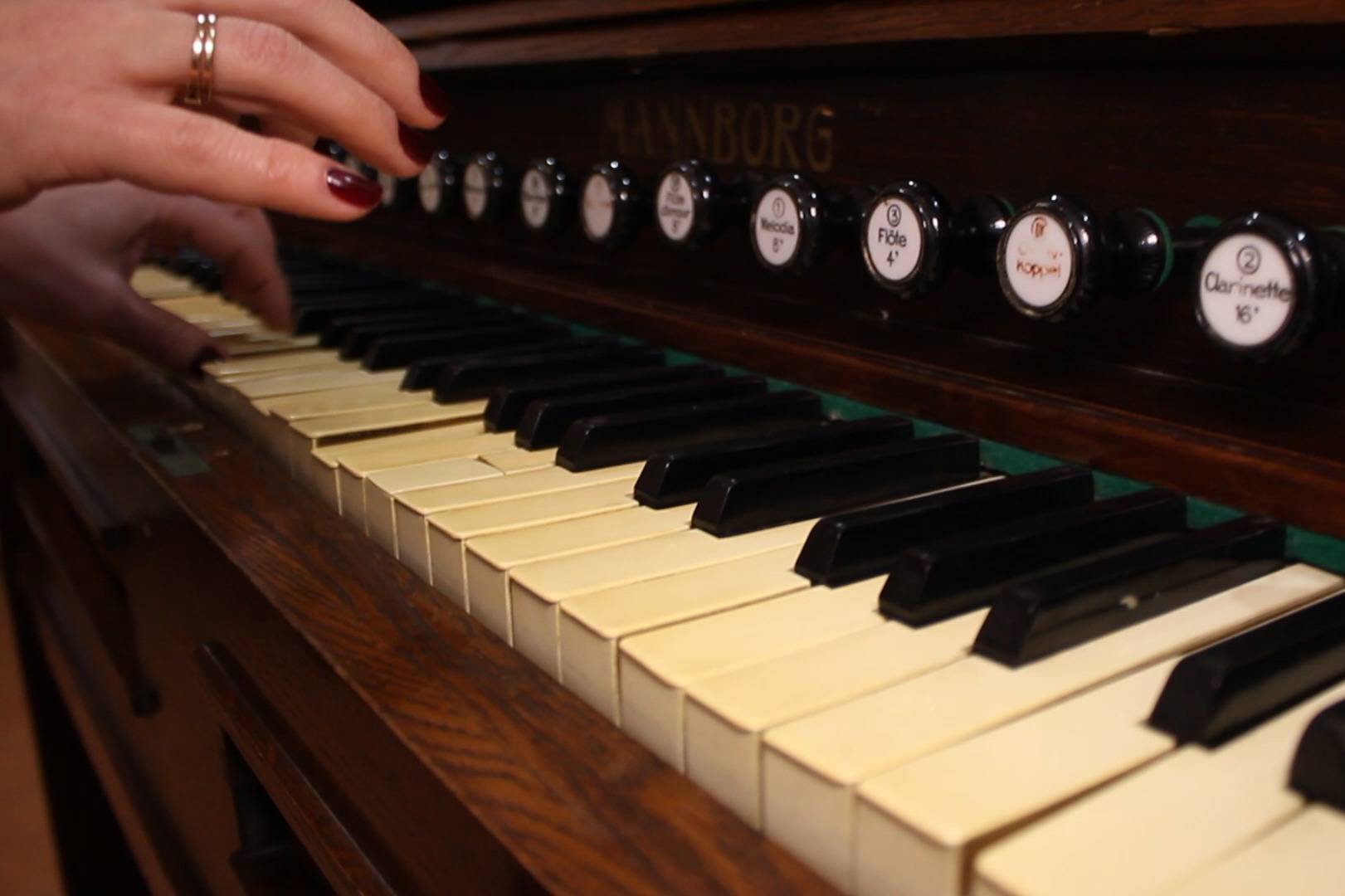
The collection of the Odesa Bleshchunov Museum of Private Collections houses a unique musical instrument - a German 19th century harmonium. At first glance, it resembles a piano, but the external similarity is deceptive. This keyboard wind instrument is the closest relative of the organ.
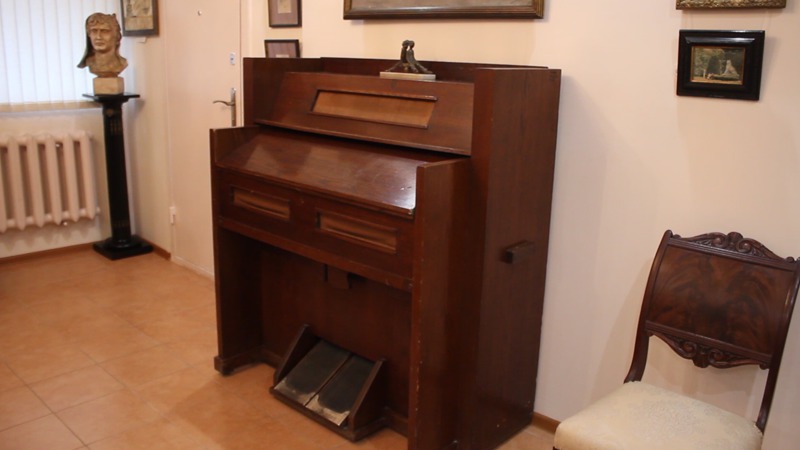
The harmonium was invented in the 1810s in Western Europe specifically for small spaces, including residential ones.
Today, harmoniums are represented in the exhibitions of only a few museums in Ukraine. Among them: the A.V. Bleshchunov Museum of Private Collections (Odesa), the Museum of Theater, Music and Cinema Arts of Ukraine (Kyiv), the Ostroh Local History Museum (Rivne region) and others.
Such a small number of preserved instruments in our country is due to several reasons: instruments were imported from abroad, where their production ceased by the 1930s. Most of the surviving musical instruments have either become unusable or been destroyed by now.
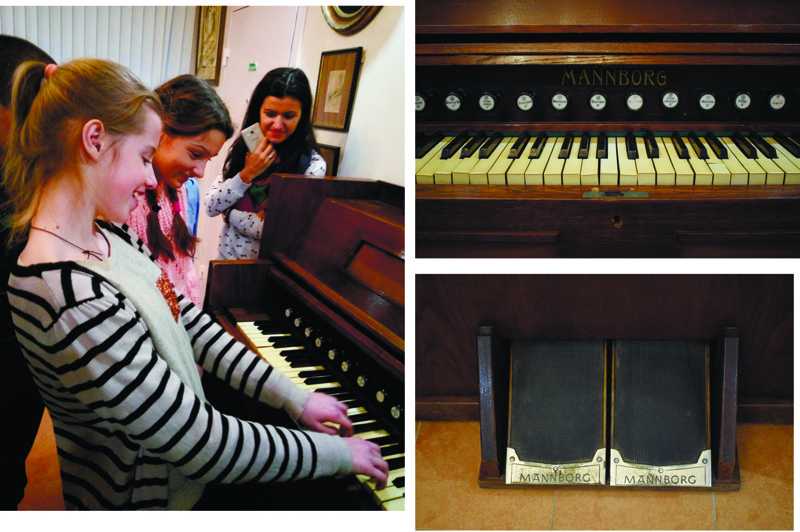
The harmonium from our museum's collection was in working condition until recently and delighted both young and adult visitors with its unusual sound. Last spring, due to technical wear of mechanical parts, the exhibit "fell silent". Its restoration must be carried out in the near future, before irreversible processes of mechanism destruction begin.
After careful examination of the harmonium by a specialist, a detailed plan for its salvation was compiled. However, the restoration process is lengthy and requires significant financial investment.
Together we can preserve this unique antique instrument for us and our descendants!
For over 20 years the museum has dealt with collection preservation issues, and the most complex problem is restoring furniture collection and especially musical instruments. The museum possesses a unique musical instrument - a harmonium (Germany, 19th c.), which until recently was in relatively working condition. Over the past year its physical and technical wear reached critical level, causing it to lose functionality. The problem is also that it's difficult to find a qualified specialist in Odesa and considerable effort was spent on this. After comprehensive examination of the exhibit by an appropriate expert-restorer it became clear that urgent measures are needed to save it. A conclusion was compiled, material costs calculated, and since restoration work financing is not provided in the museum budget, a crowdfunding campaign to raise restoration funds will allow taking necessary measures to preserve the museum's unique exhibit, which stores the state part of Ukraine's museum fund.
To solve the problem, a qualified specialist will be engaged by the museum, who has already examined the unique exhibit, compiled a conclusion, restoration work program, and estimate. A civil contract will be concluded for this work, which must account for the tax rate. The work will be performed directly in the museum.