
Due diligence: what it is and why it matters for your organization

Reporting Research

More and more Ukrainian civil society organizations are looking toward international cooperation. However, between intention and actual partnership with international donors lies one important step — comprehensive verification, or due diligence. Let’s explore what it is, how to prepare for it, and where to undergo it in Ukraine.
What is due diligence
Due diligence is a comprehensive assessment of an organization conducted by a donor before signing partnership agreements or awarding a grant. Simply put, it is a way for an international organization to ensure that a potential partner is reliable, transparent, and ready for serious cooperation.
For international donors, this is a real necessity: they are accountable for the funds they distribute and bear responsibility for selecting their partners. If a partner turns out to be unprepared — unable to report properly or meet declared indicators — it creates risks for the donor as well.
How the process works
Specific requirements vary by donor, but the process generally includes four stages:
Introduction. The donor provides requirements: a form to complete, a list of documents, or a general overview of the process.
Preparation. The organization collects and submits all required materials. Commonly requested documents include a code of conduct, strategic plan, financial and administrative policies, tax and annual financial reports, as well as safeguarding policies for humanitarian work. References from previous partners are often requested.
Feedback. The donor reviews the materials, provides comments, and may request revisions.
Final decision. A successful review results in a confirmation letter or certificate. If results fall short, the donor may offer a smaller grant or provide recommendations for improvement. Full rejection is rare.
How long it takes
From a few days to three months — depending on the donor organization’s size and internal workload. A realistic estimate is several weeks.
Where to undergo due diligence in Ukraine
Among Ukrainian resources, it is worth noting the Philanthropy in Ukraine (PhilinUA) platform, which conducts independent verification of civil society organizations using a standardized methodology covering 8 thematic areas and 113 questions. Based on the assessment, organizations receive a capacity level from 1 to 4 and a detailed expert report that can serve as a development roadmap.
It is also useful to complete the comprehensive self-assessment questionnaire developed by ISAR Ednannia, which helps identify gaps before undergoing formal verification.
Key trends in the capacity of Ukrainian organizations
Although due diligence is not yet a widespread practice in Ukraine, positive changes in the sector are evident.

“The most noticeable trend is the growing aspiration of organizations to meet international standards. Ukrainian NGOs increasingly document their processes, approach this strategically, and strengthen mechanisms of institutional memory. It is clear that the sector is stabilizing and, after a phase of reactive expansion, is beginning to crystallize its own sustainable systems,” says Anastasiia Parfeniuk, Head of the PhilinUA platform.
The platform also shows visible progress in organizational capacity.

“From my observations, capacity has definitely increased in recent years. More organizations are receiving level 3 or 4 ratings. Another interesting trend is that after receiving a level 2 or 3, organizations often state their intention to improve and return for a higher score.
This indicates a strong interest in development and recognition of the importance of expert evaluation,” shares Liubov Rainchuk, Co-founder and COO of Philanthropy in Ukraine.
At the same time, systemic challenges remain. There are no unified standards of a “reliable partner” at the legislative level, so Ukrainian organizations often lack clear benchmarks. Additionally, for smaller organizations, due diligence can be a significant administrative burden given limited resources.
A key insight emphasized by experts: capacity is not a fixed state but a dynamic process.

“From our observations, mentorship programs or targeted organizational support have the greatest impact on capacity, as they ensure an individualized approach, shared responsibility, and a clear action plan.
Ukrainian organizations are skilled at operating under time and resource constraints, but it is important to understand that investing in institutional capacity is what enables growth to the next level,” concludes Liubov Rainchuk.
Verification as an entry point: the role of due diligence in the Ukrainian NGOs Fund
One example of how capacity verification is integrated into real funding mechanisms is the Ukrainian NGOs Fund. This is a joint fund created by Ukrainian organizations to provide transparent and flexible funding for local humanitarian and recovery projects — one of the first examples of a fully localized aid distribution model in Ukraine.
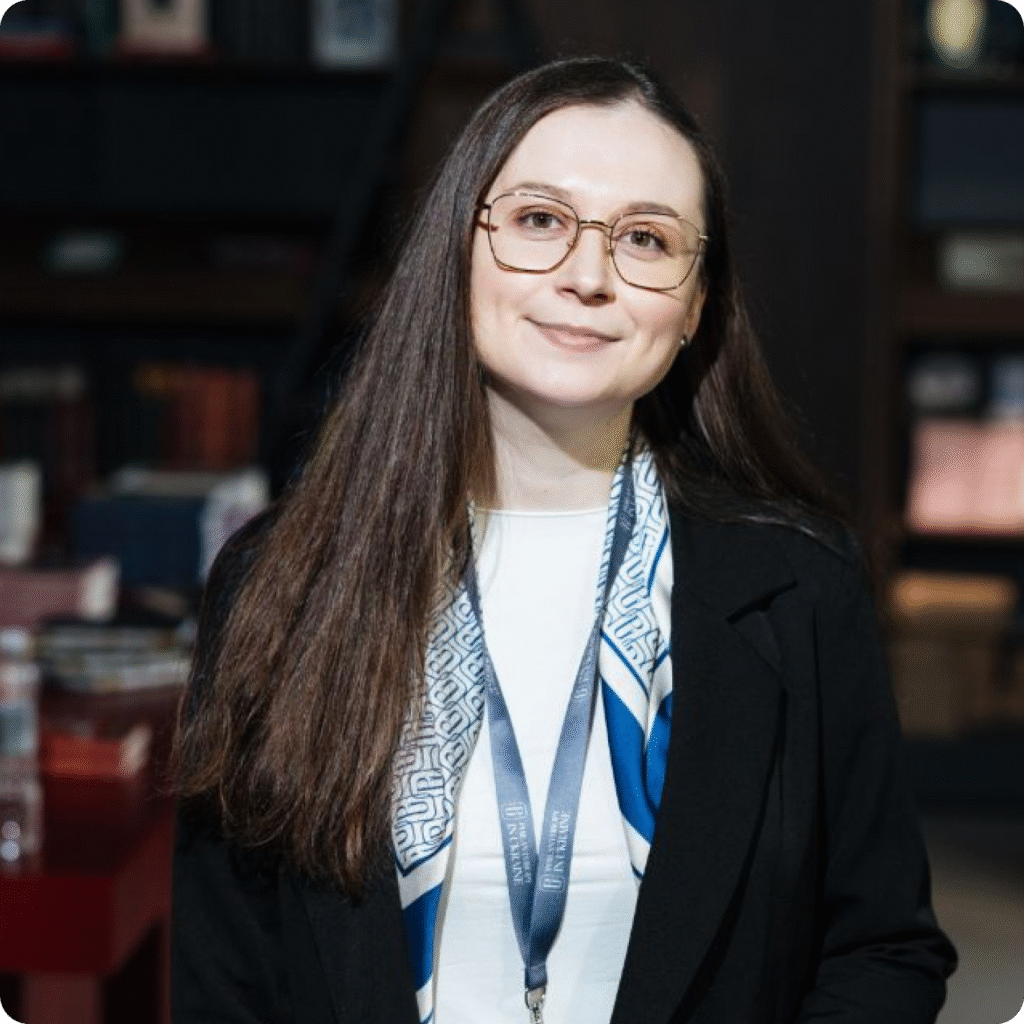
“PhilinUA verification is a mandatory entry requirement for the Ukrainian NGOs Fund: organizations cannot access the fund without it, and the assigned capacity level (from 1 to 4) determines the maximum grant size. The methodology covers 8 thematic areas and 113 questions, and each organization receives a detailed expert report that serves as an individual development roadmap. Verified organizations with a level of 2+ are included in the platform’s public catalog, increasing their visibility for donors and reducing the administrative burden of repeated checks,” explains Partnerships Manager Daria Kopiievska.
Thus, due diligence serves a dual function here: it is both a gateway and a development tool — organizations gain not just access to funding but also a concrete plan for strengthening their capacity.
What you can do now
If your organization is considering international partnerships, here are practical steps to start:
- Conduct a self-assessment. Use the ISAR Ednannia questionnaire or review PhilinUA requirements to identify gaps.
- Formalize your processes. Internal policies are not bureaucracy — they are tools that help ensure consistency and resilience.
- Develop a diversification plan. Relying on a single donor is risky. A flexible fundraising strategy increases sustainability.
- Define your strategy. Ask yourself: is due diligence part of a long-term plan or a reactive step? The answer will shape your preparation.
Due diligence is a starting point. It requires time and effort but opens access to resources and partnerships that would otherwise remain out of reach.